
Mouse Droppings in the House: Hantavirus Risks for Ottawa-Gatineau Families
November 6th, 2026
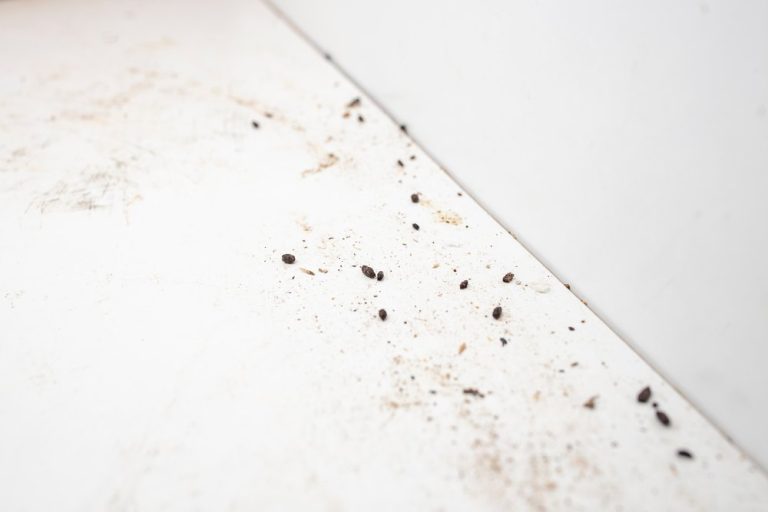
Finding mouse droppings in a kitchen, basement, garage, or cottage can be alarming. Hantavirus is often one of the first concerns. Although hantavirus infections are rare and the overall risk in Canada is low, the illness can become serious. Finding droppings does not mean that anyone has been exposed or that the mice are carrying the virus.
The immediate priorities are to avoid stirring up contaminated dust, clean the area safely, and determine whether rodents are still active in the building. You cannot tell by looking at mouse droppings whether they contain a hantavirus, so any contaminated area should be handled with care.
Key Points About Mouse Droppings and Hantavirus
- The risk of hantavirus infection is low in Canada, but dry droppings should never be swept or vacuumed because those methods can release particles into the air.
- A small, accessible area can often be cleaned by following public health guidance. Heavy contamination, a confined space, or an active infestation may require professional help.
How Can Hantavirus Spread From Rodents?
Hantaviruses are carried by certain rodents. Exposure can occur when a person breathes in tiny particles from contaminated urine, saliva, droppings, or nesting material. Sweeping, vacuuming, or moving dry rodent waste can release those particles into the air.
Exposure can also occur after contact with a contaminated surface or food, or, less commonly, through a rodent bite. Infections are rare in Canada, and the overall risk to the public is low. It is still wise to treat rodent contamination as a potential health hazard.
For current official guidance, see the Government of Canada page on hantavirus spread, prevention, and risks.
Do All Mouse Droppings Carry the Same Risk?
No. Not every mouse is infected, and not every exposure causes illness. Several rodent species in North America can carry hantaviruses. The deer mouse is recognized as an important reservoir of Sin Nombre virus in Canada.
However, the appearance of droppings cannot reliably identify the rodent species or show whether an animal was infected. It is safest to use proper precautions even when only a small amount is present. If you are unsure whether the signs came from mice or rats, BW Nature Control’s guide explains how to identify common rodent traces.
Where Are Mouse Droppings Commonly Found in a Home?
Mice tend to travel along walls while looking for food, warmth, and quiet nesting areas. The location of the droppings can help focus your inspection.
| Area to inspect | What droppings may indicate |
|---|---|
| Cabinets and pantries | Access to food or poorly sealed packaging |
| Behind a refrigerator or stove | A hidden route, warmth, or accumulated crumbs |
| Basement and garage | An entry point near the foundation, a door, or utility lines |
| Attic and crawl space | Hidden activity, nesting, or more extensive contamination |
| Cottage, shed, or seasonal building | Rodent activity while the building was unoccupied |
New droppings that appear after cleanup can indicate ongoing activity. Nighttime scratching, chewed packaging, greasy rub marks, and unusual odours are other possible warning signs. Review the signs of a mouse infestation that people often miss to know what else to look for.
What Should You Do Immediately After Finding Mouse Droppings?
Keep children and pets away from the area. Do not touch the droppings with bare hands, sweep them, or vacuum them, even with a filtered vacuum. Moving air can spread contaminated particles.
Before cleaning, inspect the visible area without unnecessarily disturbing nearby items. A few droppings on an open floor are different from a large accumulation in attic insulation, a crawl space, or a poorly ventilated room. Discard food packages that are chewed, open, or contaminated.
How Should You Clean a Small Amount of Mouse Droppings Safely?
For a small, accessible area, current Canadian guidance recommends these steps:
- Wear rubber or plastic gloves. When cleaning a confined space, use a NIOSH-approved N95-level respirator or a Canadian-approved Class CA-N95 respirator.
- Do not sweep or vacuum droppings, dried urine, or nesting material.
- Thoroughly spray the material and surrounding area with a Health Canada-approved surface disinfectant or a solution of one part bleach to nine parts water.
- Let the area soak for 10 minutes. Never mix bleach with other cleaning products.
- Pick up the wet material with paper towels or a wet mop.
- Place contaminated waste and disposable supplies in two plastic bags, seal them, and discard them according to local bylaws.
- Wash the gloves with disinfectant and hot, soapy water before removing them, then wash your bare hands thoroughly with soap and water.
Always follow the disinfectant label. If the contamination is extensive or cannot be reached without disturbing soiled material, stop and request a professional assessment.
Why Should You Never Vacuum or Sweep Dry Mouse Droppings?
Vacuuming and sweeping can break up dry waste and send fine particles into the air. If the rodent material contains a hantavirus, inhalation is an important route of exposure.
The safer approach is to wet and disinfect the material before picking it up. This controls dust and helps prevent contamination from being spread around the room.
When Is Professional Rodent Cleanup the Safer Choice?
Professional help is worth considering when droppings are abundant, appear in several rooms, or are mixed with insulation and nesting material. It is also appropriate for attics, crawl spaces, enclosed sheds, and other areas where ventilation and movement are difficult to control.
Cleanup alone will not stop an active mouse problem. Entry points, food sources, and nesting areas must also be addressed. BW Nature Control’s rodent control services in Ottawa and Gatineau can include a building inspection, an assessment of current activity, and recommendations to reduce the risk of another infestation.
Which Symptoms Should You Watch for After a Possible Exposure?
According to the Public Health Agency of Canada, symptoms of hantavirus pulmonary syndrome can appear 1 to 6 weeks after exposure. They may include fever, chills, tiredness, dizziness, headaches, muscle aches, stomach pain, nausea, vomiting, or a cough.
Shortness of breath or severe difficulty breathing requires immediate medical attention. If you become ill after contact with rodents, their urine, saliva, droppings, or nests, contact a health care provider promptly and clearly mention the possible exposure. The Government of Canada page on hantavirus symptoms and treatment provides additional information.
How Can You Keep Children and Pets Safe?
Keep children and pets out of the affected area until cleanup is complete and all surfaces are dry. Store traps, disinfectants, and contaminated waste out of reach. Discard food or chewable items that may have been contaminated.
In a play area, bedroom, pantry, or pet space, inspect nearby surfaces before allowing anyone back into the area. One visible cluster of droppings may be accompanied by additional signs behind furniture or along the walls.
How Can You Prevent Mice From Returning?
Cleaning removes visible contamination, but it does not block access to the building. Inspect gaps around doors, foundations, utility lines, vents, and cables. Keep human food, pet food, and garbage in tightly sealed containers, and reduce clutter near walls.
Mice can also damage insulation, food packaging, and electrical wiring. The article on damage caused by mice explains why the infestation itself must be corrected rather than simply cleaning up the droppings.
Need Help With a Mouse Infestation in Ottawa or Gatineau?
A small, isolated discovery may be manageable with the right precautions. Droppings that return, scratching inside walls, or contamination in a hard-to-reach area can point to a larger problem that needs a full inspection.
BW Nature Control provides rodent control services in Ottawa, Gatineau, and the Outaouais. To describe the problem, request an inspection, or discuss the next step, contact the BW Nature Control team.
Frequently Asked Questions About Mouse Droppings and Hantavirus
How can you tell whether mouse droppings contain hantavirus?
You cannot tell by looking at them. Shape, colour, and freshness do not confirm whether the virus is present. Avoid direct contact and follow recommended cleanup methods.
Can you vacuum mouse droppings?
No. A vacuum can disperse particles into the air. Wet and disinfect the material before removing it with paper towels or a wet mop.
How long after exposure can hantavirus symptoms appear?
Symptoms of hantavirus pulmonary syndrome can appear 1 to 6 weeks after exposure. Contact a health care provider promptly if you become ill after possible contact with rodents or their waste.
Should food found near mouse droppings be discarded?
Discard food in open, chewed, soiled, or difficult-to-clean packaging. The outside of intact, rigid containers may be disinfected using a method appropriate for the container material.
When should you call a rodent control company?
Request help when droppings keep returning, contamination is extensive, mice remain active, or soiled material is located in insulation, an attic, a crawl space, or another difficult-to-access area.